
Overview
I have been working on the policy concerns around offshore energy resources since 2014. My first work considered conflicts over offshore oil and gas, and my most recent project turned to the consideration of offshore wind policy in the United States.
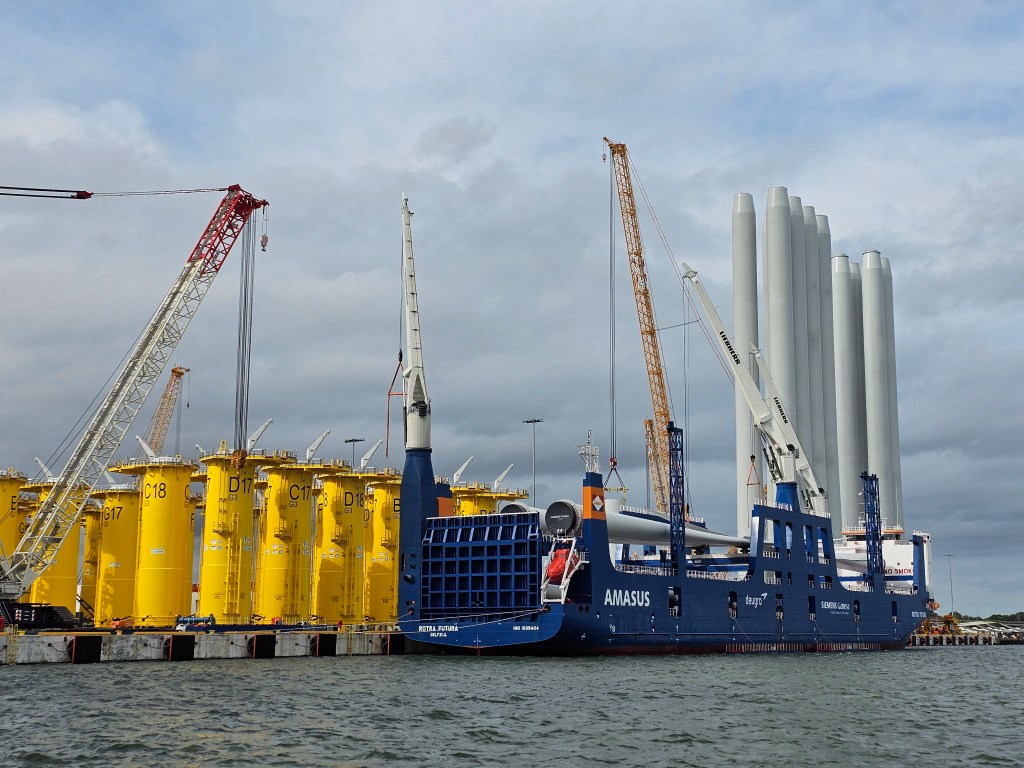
The Rise (and Fall?) of US Offshore Wind Policy
Offshore Wind in the US
The Rise (and Fall?) of United States Offshore Wind Policy, coauthored with Dr. Jenna Lamphere, examines the role of federal and state policies in developing the US’s offshore wind industry. We look at the overall relationship that the US has traditionally had with wind power, and then consider offshore wind policy development in three regions: New England (Massachusetts, Connecticut, Rhode Island), the Mid-Atlantic (New York, Virginia), and the Gulf of Mexico (Louisiana, Texas).
We determine that the combination of policies at the federal and state level determine the difference between the success and failure of the offshore wind industry in a particular state. The successful development of a commercial offshore wind farm cannot be mandated at the federal level, it requires states to buy into the process and develop their own local policies and commitments. But while success cannot be mandated at the federal level alone, failure to build on offshore wind’s promise at the federal level could bring about the end of the nascent industry.
Renewable energy is just one part of the equation, though – traditional fossil fuels are also vital to global energy generation.

