
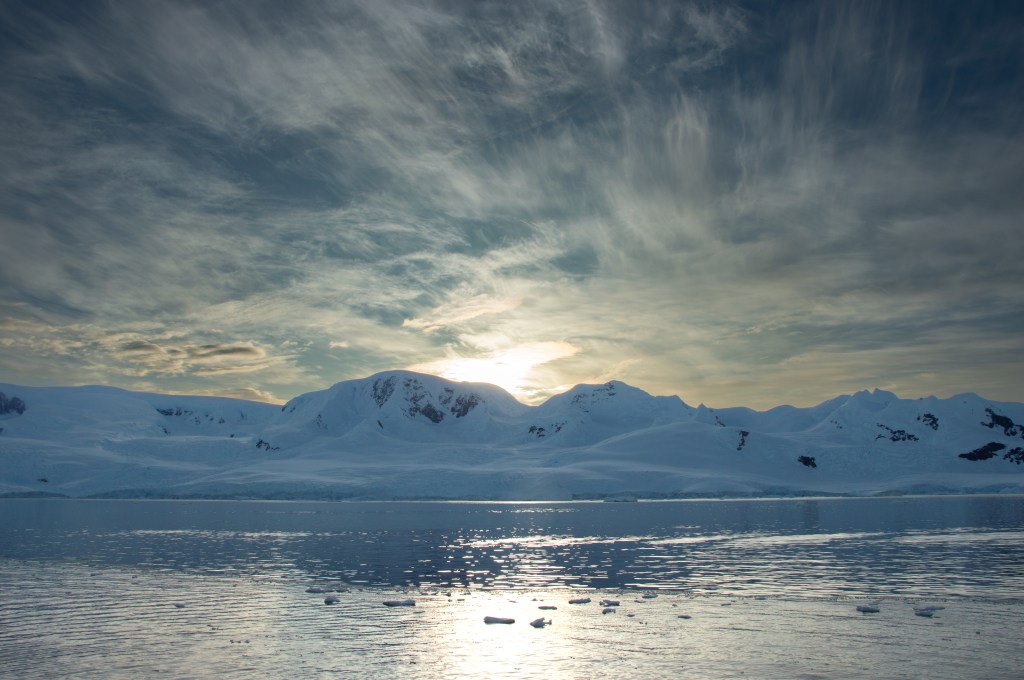
“The frozen ocean itself still turns in its winter sleep like a dragon.”
Barry Lopez
Arctic Dreams
Polar Politics
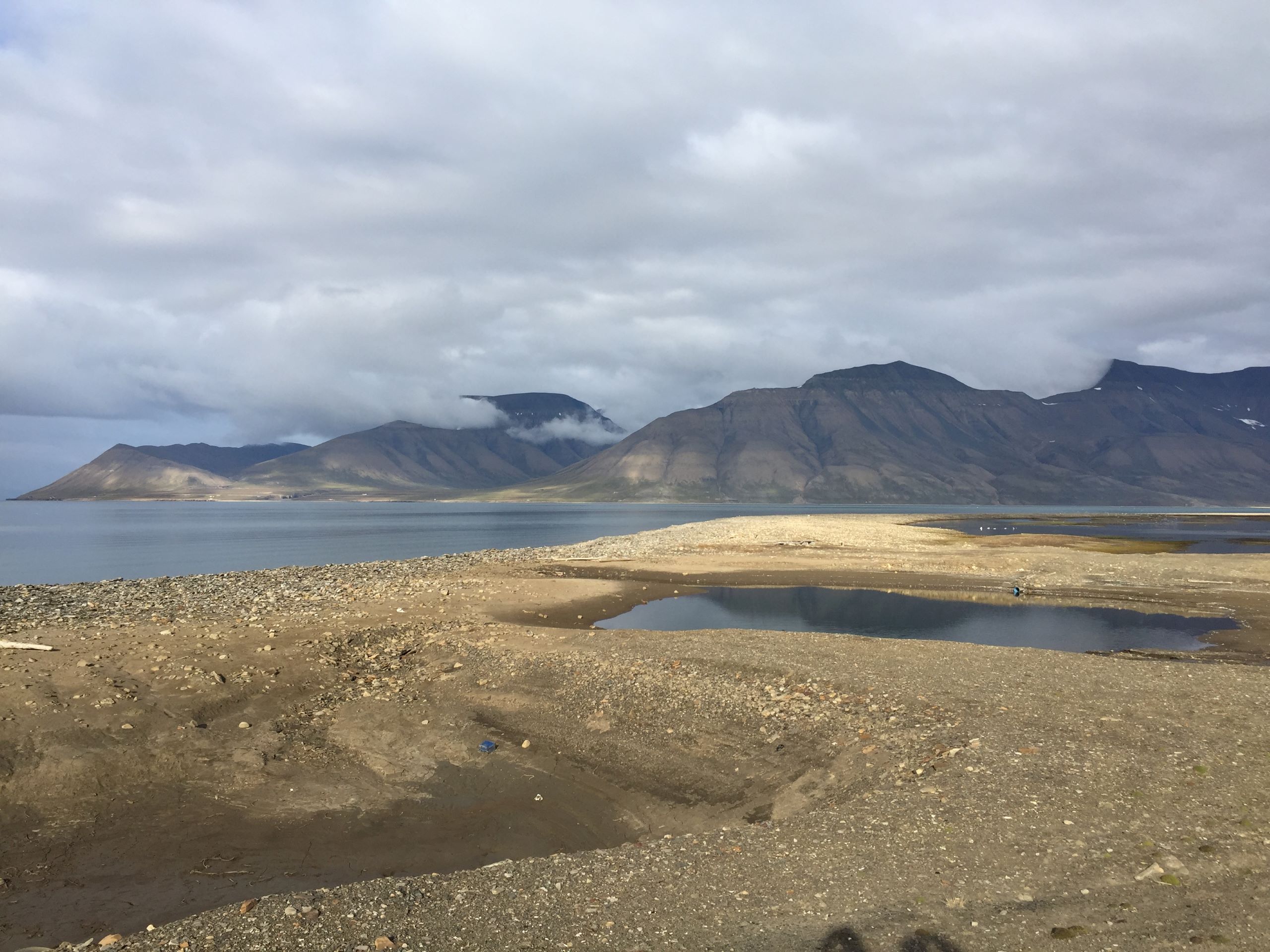
I have been working on issues related to polar politics since 2010. My earliest work was on Svalbard, which still remains a top interest of mine because of its unique status in international law. I have been lucky enough to work with some great Norwegian scholars, and visited Longyearbyen, Svalbard with them on a project in 2017. I was fortunate enough to be a visiting scholar at the Center for Sami Studies at University of Tromso, the Arctic University of Norway, in October 2023.
Polar Tourism
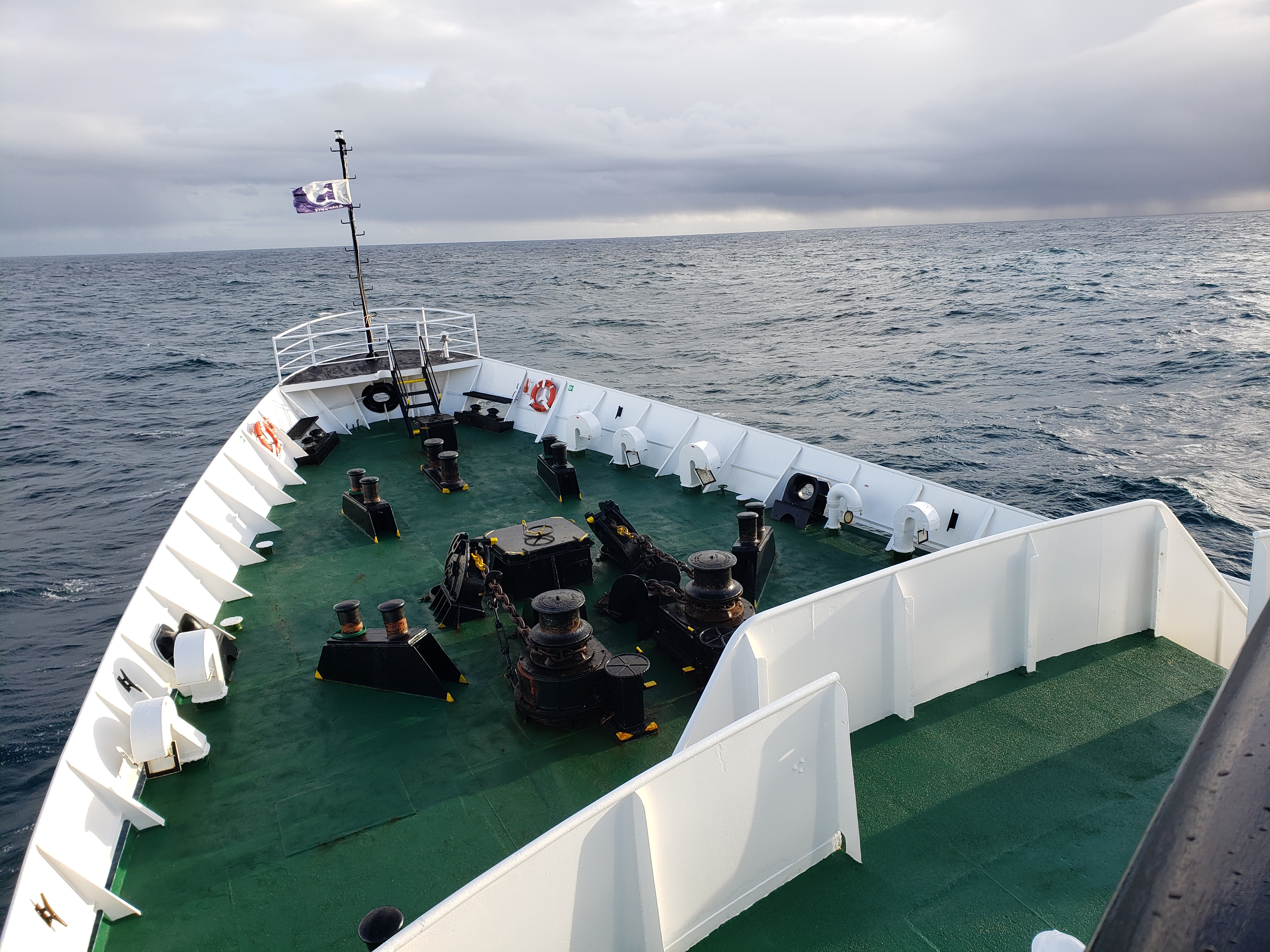
In 2022-2023, I had the privilege of traveling to Antarctica with Dr. Jenna Lamphere to examine the impact of cruise tourism in the far south. We conducted a survey of our fellow tourists, and pivoted to working on an article about risks to tourist life after an onboard ship accident showed us how easily injuries could turn threatening in such an isolated environment. Our interest was prescient; there were three fatalities later that season.
Polar Heritage
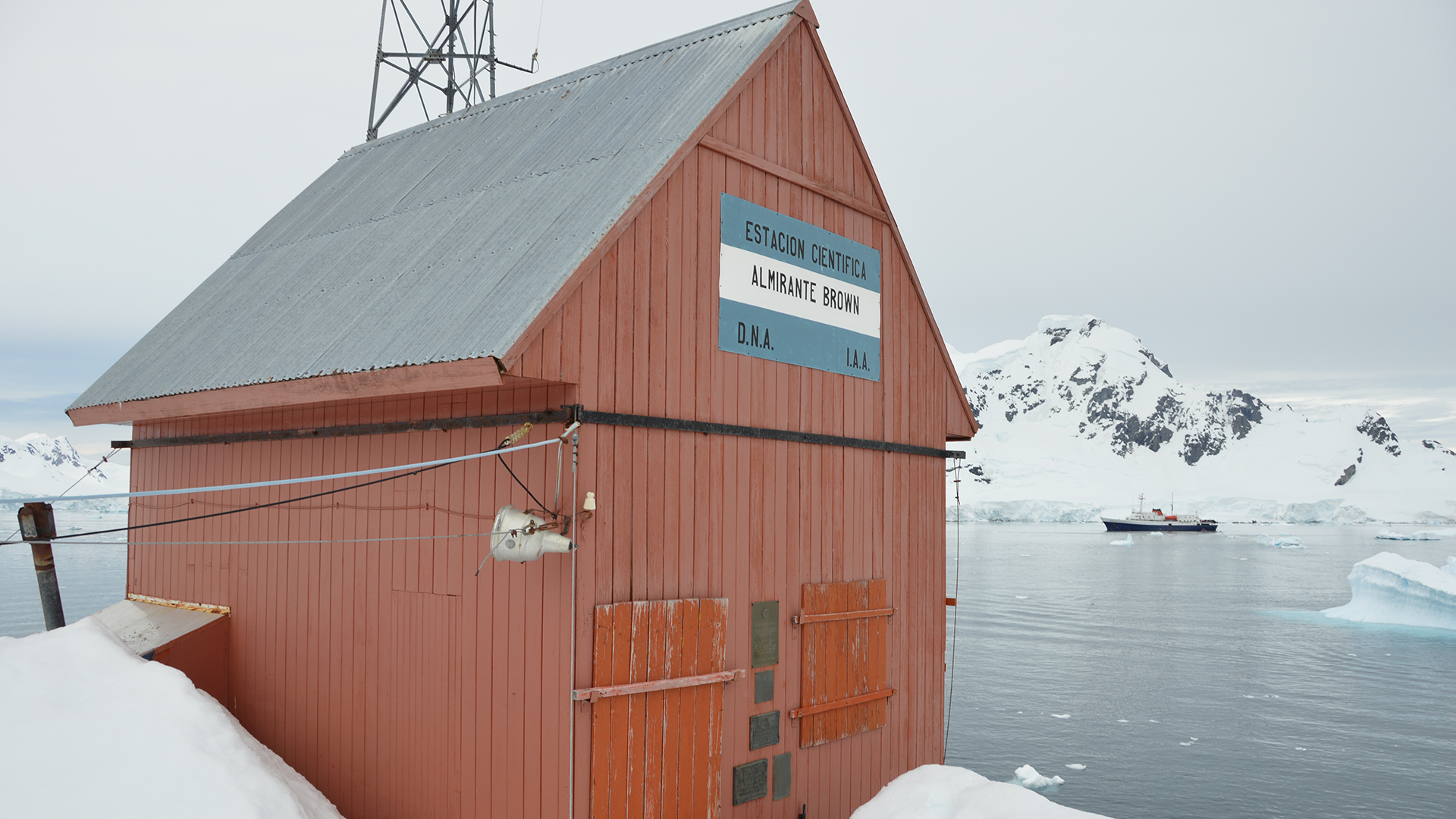
Currently I am working on a project examining polar history and heritage. Early explorers to the Arctic and the Antarctic left tangible signs of their presence – ruins of makeshift buildings, food caches, graves, etc. Later visitors built research stations and other permanent facilities. I am examining how cruise tourism promotes interaction with the historical past of the poles, considering marketing materials, visitation sites, and other opportunities to see the polar past in the present.
Polar Energy
I have long been interested in offshore energy generation. In 2021, my colleague Dr. Jenna Lamphere, and I were able to go to Prudhoe Bay, Alaska, as part of a project looking at potential energy transition in Alaska. The lifespan of the Prudhoe Bay field on its discovery in 1969 was estimated to be 30 years, but production still continues today. Our work considered whether oil exploration would move to another area, such as offshore or on land such as the Arctic National Wildlife Refuge, or whether existing oil and gas infrastructure could be repurposed for tourism.

 Elizabeth Nyman
